
special glass cutting
The Cost of Thread Plug Gauges An Essential Tool for Quality Control Thread plug gauges are crucial instruments used in the manufacturing and quality control processes to ensure that threaded holes meet specified tolerances. These gauges serve a simple yet essential purpose to check the fit and accuracy of internal threads in a variety of applications, from automotive parts to sewing machines. As industries strive to improve quality and precision in their products, the importance of thread plug gauges cannot be overstated. However, one prevalent concern for manufacturers and quality control teams is the price of these tools. The Cost of Thread Plug Gauges An Essential Tool for Quality Control Manufacturers must weigh the cost of thread plug gauges against their potential impact on production quality. Investing in high-quality gauges can reduce the likelihood of defects, which in turn mitigates the costs associated with rework, waste, and dissatisfied customers. Moreover, the longevity and durability of a gauge can also affect its overall value; investing a bit more in a robust tool can pay off by reducing the frequency of replacements. thread plug gauge price Furthermore, suppliers often offer custom gauges for specific applications, which can increase the price. Customization allows companies to tailor the gauge to their unique threading requirements, improving accuracy and efficiency. However, organizations should carefully evaluate their needs before opting for customized solutions, as they might not always be necessary. Another dimension to consider is the potential for purchasing options. Many suppliers offer discounts for bulk purchases, which can significantly reduce the per-unit cost. Additionally, leasing or renting gauges for short-term projects can be a more cost-effective solution for companies that do not require these tools consistently. It is also worth noting that online shopping has made it easier for manufacturers to compare prices from different suppliers, thus ensuring that they find the best deals available. Online marketplaces and specialized industrial suppliers often provide transparent pricing, allowing businesses to make informed purchasing decisions. In conclusion, the price of thread plug gauges varies depending on several factors, including size, precision, and customization. While the initial investment might seem high, the long-term benefits of high-quality gauges can lead to significant cost savings by ensuring precision and reducing defects in manufacturing. Companies should consider their specific needs, the potential for bulk purchasing discounts, and the advantages of online shopping to make the most out of their investments in thread plug gauges. Ultimately, these tools are not just an expense; they are an integral part of maintaining high standards in product quality and performance.
about
special glass cutting
Building a Welding Table The Essential Guide Creating a dedicated welding table is a fundamental project for any welder. A good welding table not only provides a flat and stable surface for your projects but also enhances safety and efficiency in your work. In this article, we will guide you through the essential steps and considerations for making a welding table that meets your specific needs. Step 1 Planning Your Welding Table Before starting any construction work, it’s crucial to plan the design of your welding table. Consider the following factors 1. Size Determine the dimensions based on your typical projects. A standard size varies, but a good starting point is around 4 feet by 2 feet. If you often work on larger projects, you may need to increase the size. 2. Height The ideal height of a welding table should be comfortable for your working stance. Generally, it is around waist height. Some experienced welders prefer adjustable height tables for added versatility. 3. Material The tabletop material is critical. Common choices include steel and aluminum. Steel is more durable and can withstand higher temperatures, making it ideal for welding. Consider using a 1/4-inch or thicker steel plate for the top, as it prevents warping and provides a reliable surface. 4. Portability Decide whether you want a stationary table or a portable one on wheels. A mobile table can be advantageous for small workshops or when workspace is limited. Step 2 Gather Materials and Tools Once you have a design in mind, it’s time to gather your materials and tools. Here’s a basic list - Steel or aluminum sheet for the tabletop - Steel tubing for the frame and legs - Angle grinder - Welding machine - Metal clamps - Measuring tape - Safety gear (gloves, mask, apron) - Level Step 3 Constructing the Frame Start by building the frame of your welding table. Cut your steel tubing to the desired lengths for the table legs and support beams. A common design features a rectangular frame, with four legs at each corner for stability. 1. Weld the Frame Position the cut tubing pieces and use clamps to hold them in place. Tack weld the corners before fully welding to ensure everything is square. making a welding table 2. Add Cross Supports Strengthen the structure by adding cross supports beneath the tabletop. This will prevent sagging and increase the overall stability of the table. 3. Attach Legs Securely attach the legs to the corners of the frame. Ensure they are evenly spaced and square to provide a level working surface. Step 4 Attaching the Tabletop Once the frame is ready, it’s time to attach the tabletop 1. Place the Steel Plate Position the steel sheet on top of the frame. Ensure it overhangs evenly on all sides if that is part of your design. 2. Weld the Top Use even, consistent welds along the edges to secure the tabletop to the frame. Take care to prevent any warping by allowing the metal to cool as you work. Step 5 Finishing Touches After the welding is complete, you should consider a few finishing touches 1. Level the Table Use a level to check the surface. If needed, adjust the legs to ensure the table is perfectly flat. 2. Surface Treatment To prolong the life of your welding table, consider painting it with high-temperature paint or adding a rust-resistant coating. 3. Add Features Many welders enhance their tables with additional features like built-in clamps, storage for tools, or electrical outlets for equipment. Conclusion Making a welding table is a rewarding project that significantly boosts your welding capabilities. It not only provides a flat and sturdy surface but also helps keep your workspace organized and safe. By following these steps and carefully considering your needs, you can build a welding table that serves you well for years to come. Happy welding!
-

High quality industrial productsagement

High quality industrial products
View Details -

Meet the diverse needs of customers

Meet the diverse needs of customers
View Details -

Strict quality control

Strict quality control
View Details -

Top raw materials

Top raw materials
View Details -

Trusted supplier

Trusted supplier
View Details
Our application


news and information
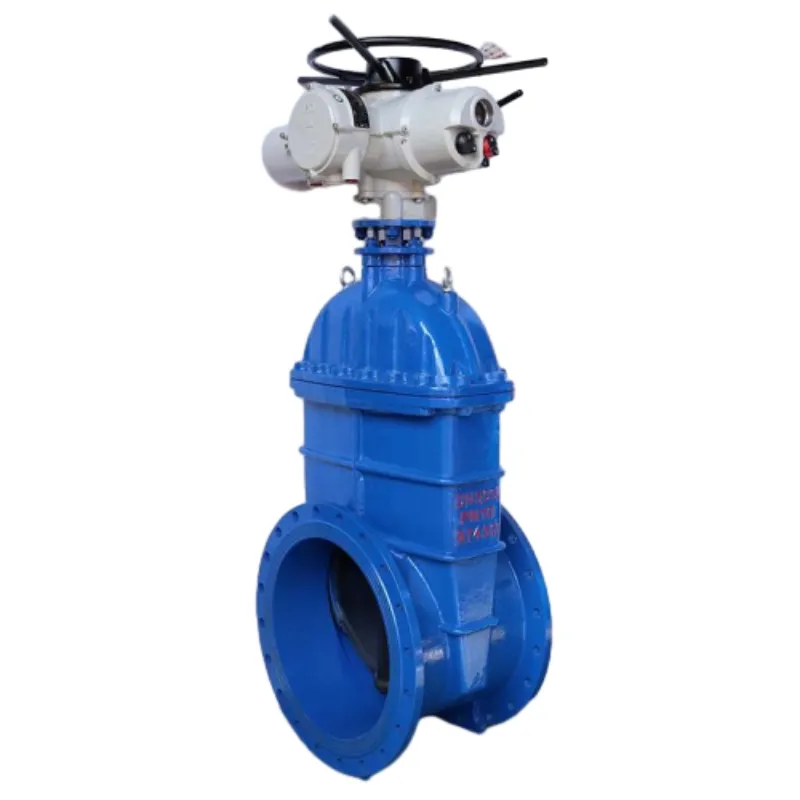
Water Valve Gate Design Prevents Leakage and Corrosion
In the realm of water management within pipelines, the design of water valve gate is of paramount im
Wood Connectors and Brackets for Building Strong and Durable Wooden Structures and Projects
Brackets for Connecting Wood An Essential Tool for Any Woodworking Project When it comes to woodwork

Versatile Welding Table Clamps for Secure and Efficient Metalworking Projects
The Versatility of 5 8% Welding Table Clamps Welding is a critical process in numerous industries, r
 English